

Football has become too large for one voice.
Every week, the sport produces more than scores. It produces arguments. A tactical tweak in Manchester. A late goal in Madrid. A winger breaking open a match in Naples. A center-back stepping into midfield. A manager losing the dressing room before anyone admits it. A teenager receiving between the lines and suddenly making an entire recruitment department look either prophetic or incompetent.
This site exists because football deserves writing that treats the game as seriously as it feels to those who love it. Not just transfer gossip. Not just reaction. Not just tactical diagrams stripped of emotion. Not just fan hysteria without thought. Football is strategy, personality, memory, structure, myth, economics, and psychology.
OctoFootball will publish three weekly essays on the world of football through three distinct voices.
Each voice has its own loyalties, obsessions, blind spots, philosophies, and grudges. They will cover Manchester United, Real Madrid, Manchester City, Barcelona, Arsenal, Bayern, Milan, Napoli, Dortmund, PSG, the Premier League, La Liga, the Champions League, rising players, tactical trends, managerial failures, recruitment patterns, and whatever else the week demands.
I, Doctor Octopus, am the first. The other two have written introductory blurbs as well. Daniel, going by “Asterion” and Robert, going by “Daedalus.”
I. Doctor Octopus
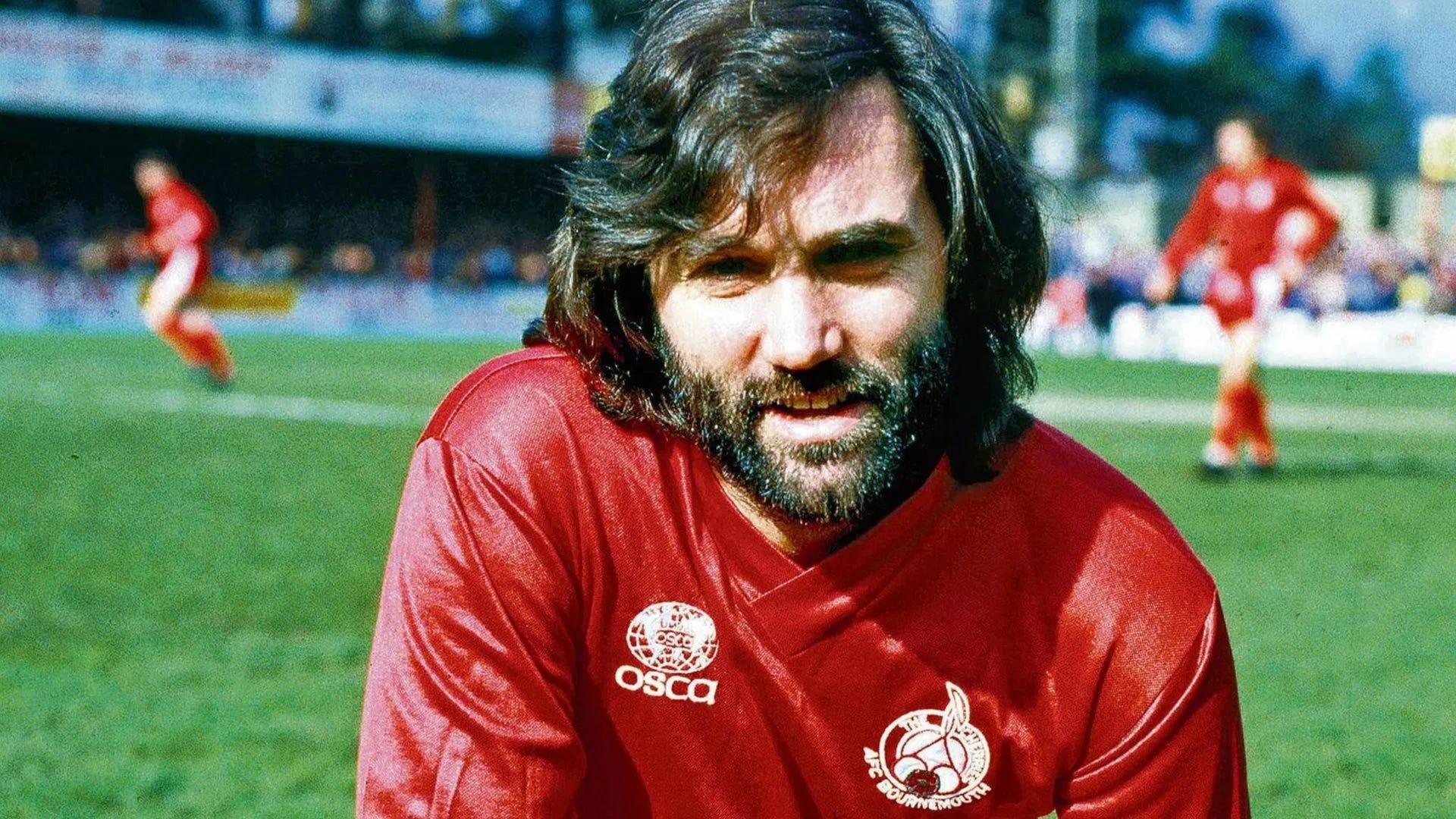
Hello again, friends.
I support Manchester United, which means I have spent most of my adult football consciousness studying the anatomy of disappointment.
This is useful.
There are easier clubs to love, cleaner clubs to analyze, and healthier institutions to use as models. But there are few clubs more revealing. Manchester United are not merely a football team. They are a memory palace, a commercial empire, a youth-development myth, a tactical problem, a content machine, a graveyard for managers, a theater for individual brilliance, and occasionally, despite everything, a football club.
That contradiction is why I write.
I am interested in what happens when talent enters a broken structure. I am interested in why certain players look like geniuses in one ecosystem and ghosts in another. I am interested in the academy graduate who carries the emotional burden of a fanbase before he can legally rent a car. I am interested in the striker who is called lazy because nobody understands his movements. I am interested in the midfielder asked to be three different players because the club forgot to buy the other two.
My footballing philosophy begins with the player.
The actual player: his tendencies, his fears, his rhythm, his decision-making, his technical gifts, his limitations, and the system that either clarifies him or ruins him.
Tactics matter. Of course they matter. But tactics are not sacred. A system is only valuable if it reveals the qualities of the players inside it. Structure should not be a prison. It should be a stage.
This is where Manchester United have fascinated and tortured me. The club has often collected talent without building the grammar that allows that talent to speak. United have bought nouns without writing sentences. They have chased profiles without building relationships. They have tried to become modern without deciding what kind of modernity they actually believe in.
So I will write about United often. I will write about the Premier League because it is the loudest laboratory in football. I will write about young players, strange profiles, false nines, half-space creators, academy myths, rebuilds, broken squads, and the difference between a footballer who is failing and a footballer who has been failed.
But I will not write only about United.
When Arsenal construct a machine, I will study what United lack. When City suffocate a match for 70 minutes, I will ask what freedom remains inside perfection. When Liverpool turn pressing into emotional violence, I will examine how intensity becomes identity. When Chelsea spend a billion pounds to create confusion, I will try to identify the actual football buried beneath the accounting.
I care about the human being inside the system.
That is my bias.
That is my flaw. That is my method.
I believe football is about identity under pressure. A club reveals itself in the way it attacks. A manager reveals himself in the players he trusts. A player reveals himself in the decision he makes before the obvious pass appears.
Every week, I will look for the player or club that explains the moment.
Sometimes that will be Manchester United.
Usually, somehow, it will still be about Manchester United.
II. Daniel - Asterion
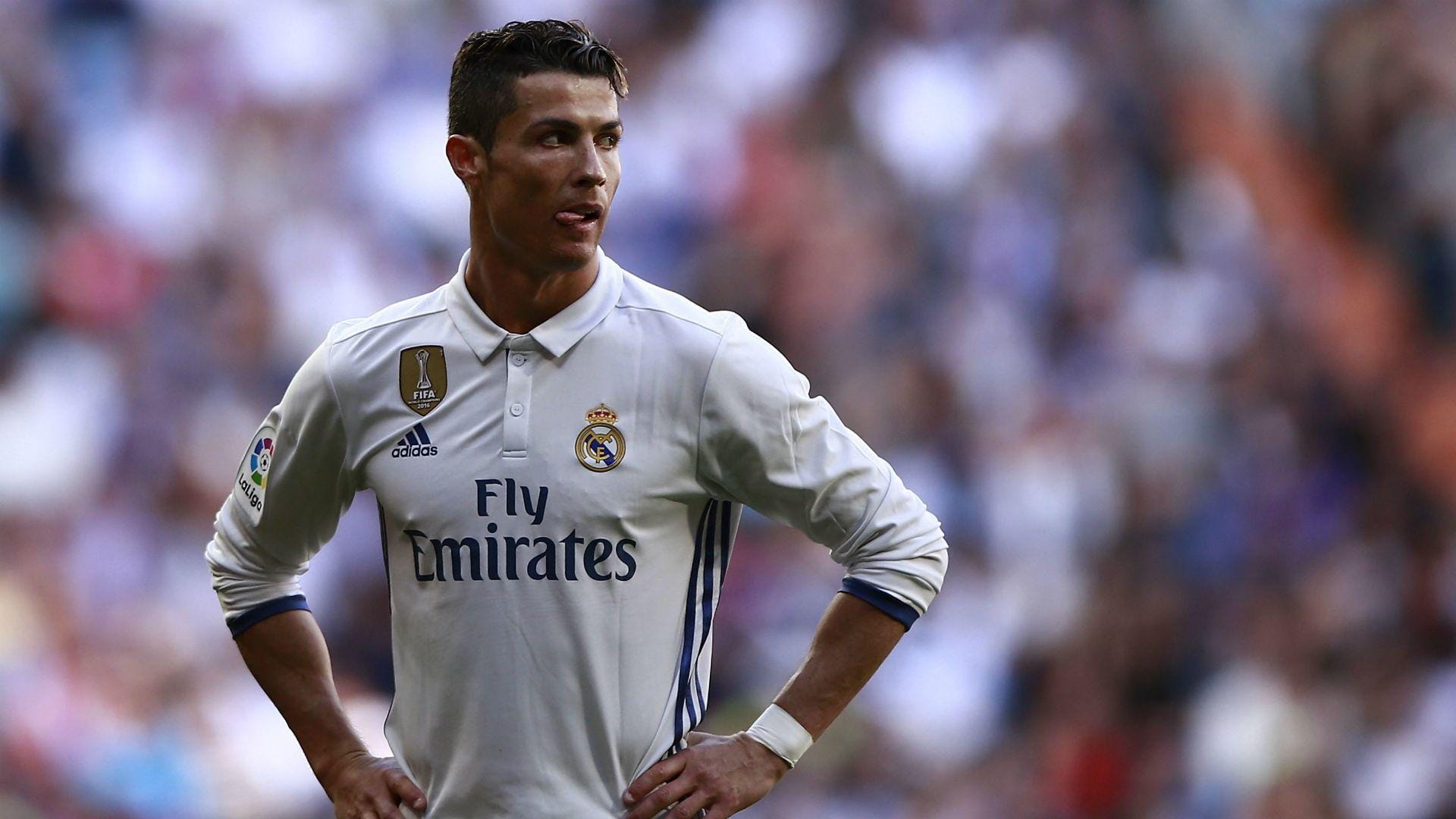
Real Madrid are very useful.
Not morally. Not romantically. Analytically.
They expose people.
Give a man a league table and he will tell you who is consistent. Give him a spreadsheet and he will tell you who is efficient. Give him a tactical model and he will tell you who is well coached.
Give him the 82nd minute at the Bernabéu and he starts speaking in religion.
Aura. Luck. Referees. Heritage. Black magic. Mentality. DNA.
Madrid have spent decades teaching the same lesson to people who insist on forgetting it: football is not decided by who explains the game most beautifully. It is decided by who still has answers when the explanation breaks.
Every era produces its priests. Possession priests. Pressing priests. Data priests. Positional priests. Transfer-market priests. They arrive with diagrams, models, terminology, and an impressive confidence that football has finally been solved. Then the Champions League reaches April.
Suddenly the pitch gets larger. The ball gets heavier. The safe pass becomes cowardice. The fullback who looked progressive in domestic matches starts checking over his shoulder. The center-back who completes 94 percent of his passes discovers Vinícius Júnior does not care about pass-completion rate.
The manager in the technical area keeps pointing at the same zones, but the game has already left the zones.
This is where Madrid live.
Do not misunderstand me. Tactics matter.
Structure matters. Coaching matters. Anyone who says Madrid simply “have aura” is usually trying to avoid admitting they do not understand the actual football.
Vinícius isolated against a fullback is a tactic.
Bellingham arriving late into the box is a tactic.
Valverde covering three positions without asking for applause is a tactic.
Camavinga escaping pressure with one touch instead of three is a tactic.
Courtois turning a certain goal into a corner kick is a tactic in the only sense that matters: it changes the match.
The mistake is thinking tactics must always look like control.
Control is useful. Power is final. That is my view of football.
Control can move the opponent. Power can kill the opponent. Control can produce territory. Power can decide what that territory means. Control can make a team look superior for seventy minutes. Power can make those seventy minutes irrelevant in seven.
Football discourse has become very polite about domination. People like field tilt. They like pass maps. They like possession sequences that move from center-back to fullback to pivot to center-back again while everyone nods at the patience of it all.
Good.
Patience is useful.
So is a knife.
This is my territory. I write about power.
Not possession. Not aesthetics. Not sentiment. Power.
Who has it?
Who borrows it?
Who performs it?
Who loses it the second the game becomes severe?
Madrid interest me because they understand power better than any club in Europe. They are not always the best team. They are not always the most coherent team. Sometimes they are structurally flawed. Sometimes they are arrogant. Sometimes they rely too much on the individual. Sometimes the myth hides decay.
But even then, opponents treat them differently.
That matters. Fear is tactical. History is tactical.
A winger who believes he will decide the match is tactical.
A stadium that convinces the opponent the collapse has already begun is tactical.
You may dislike this. That is fine. Most losing arguments begin as moral objections.
I will write about Madrid, yes. But I will also write about every club that claims to want Madrid’s throne. City. Barcelona. Bayern. Arsenal. Liverpool. PSG. Inter. Milan. United.
Can your football survive when control disappears?
That is the question.
Daedalus will admire your structure. Doctor Octopus will search for your soul.
I will look at the last fifteen minutes and tell you whether you were ever as powerful as you looked.
III. Robert - Daedalus

Start here:
Freeze the frame before the goal.
Do not look at the scorer yet. That is usually where the story ends, not where it begins.
Look at the winger.
Is he wide enough to stretch the back line?
Is the fullback pinned or free to jump?
Is the nearest midfielder offering a real angle or just standing in the same passing lane?
Where is the six?
Where is the weak-side eight?
How many players are behind the ball?
If possession is lost, who stops the first pass forward?
That is where I watch the game.
Football analysis often begins too late. The ball goes into the net, then everyone talks about the finish, the mistake, the celebration, the goalkeeper, the marking. Fine. Those things matter.
But by then, the mechanism has already operated.
A goal is often the visible part of an invisible arrangement.
Pep Guardiola’s football is interesting because it is obsessed with that arrangement. Not possession for possession’s sake. Not passing as decoration. Arrangement. Distances. Angles. Occupation. Protection. The location of the next advantage.
A winger stays wide for ten minutes without touching the ball. Boring, apparently.
Then the opponent’s fullback takes one step inside.
Now the winger matters.
A center-back carries the ball slowly. Too slowly, according to the impatient.
Then the pressing forward jumps.
Now the pivot matters.
The pivot receives, sets, and the third man runs.
Now the whole pitch has changed.
That is positional play.
It is not a style in the shallow sense. It is a method for giving players better problems to solve.
Bad teams give players crowded, rushed, improvised problems.
Good teams give players clean, rehearsed, advantageous problems.
Great teams make those problems look like instinct.
This is why I admire Guardiola. This is why I admire Kompany at his most convincing. This is why I watch Arteta, Xabi Alonso, De Zerbi, Luis Enrique, Nagelsmann, Barcelona, Brighton, Leverkusen, City, Arsenal, Bayern, and anyone else trying to build attacks rather than simply hope they occur.
The phrase “playing out from the back” is too small. Buildup is not the prelude to attack. Buildup is attack in its earliest form.
The first pass chooses the pressure.
The second pass shapes the opponent.
The third pass reveals the free man.
The fourth pass should hurt.
If it does not, something is wrong.
Possession without progression is not control. It is waiting.
Inverting a fullback without securing the counterattack is not sophistication. It is a future emergency.
A high line without pressure on the ball is not bravery. It is a gift.
A box midfield with bad distances is not a box midfield. It is four men reducing each other’s oxygen.
So no, I am not here to praise every team that completes 700 passes. Some of the worst football in Europe owns the ball politely. Some of the best football attacks quickly, directly, even brutally, because the structure underneath it is clean.
The principle is not “pass more.”
The principle is “arrive better.”
Arrive with support.
Arrive with spacing.
Arrive with protection.
Arrive with the opponent already moved.
Arrive with the next action prepared.
That is the football I care about.
My columns will usually begin with a shape, a problem, or a repeated pattern.
Why did the right side keep opening?
Why did the six never receive facing forward?
Why did the press work for twenty minutes and then collapse?
Why did one substitution change the match without producing a goal or assist?
Why did the team with less possession have more control?
I am less interested in declaring who “wanted it more.” Want is cheap. Spacing is evidence.
Doctor Octopus will write about the player inside the drama.
Asterion will write about power when the match turns cruel.
I will rewind the goal, pause the frame, and show you where the game was built.
Every week, OctoFootball will take the biggest stories in football and split them through three lenses.
Doctor Octopus will ask what the week revealed about clubs, players, development, identity, and the emotional life of the game.
Asterion will ask what the week revealed about power, hierarchy, European legitimacy, decisive players, and the difference between looking dominant and being dangerous.
Daedalus will ask what the week revealed about structure, spacing, coaching, control, buildup, pressing, and the tactical architecture beneath the result.
The same match may produce three different truths.
A Manchester City win might be, for Daedalus, a masterpiece of rest defense and central occupation. For Asterion, it might be another reminder that domestic control does not guarantee European destiny. For Doctor Octopus, it might be proof that United’s greatest problem is not one position, one manager, or one transfer window, but the absence of a coherent footballing self.
An Arsenal collapse might be, for Doctor Octopus, a psychological wound. For Daedalus, a spacing and game-state failure. For Asterion, the old lesson that a beautiful project must still survive the moment when the match becomes feral.
A Real Madrid comeback might be, for Asterion, evidence of football hierarchy. For Daedalus, a warning about structural concessions. For Doctor Octopus, a meditation on why some clubs transmit belief while others transmit anxiety.
This is the point.
Football is too rich for one interpretation.
OctoFootball will not chase neutrality. Neutrality is often just fear with a press badge. These writers have loyalties, preferences, philosophies, and arguments. But they will also be serious. The facts matter. The match matters. The numbers matter. The eye test matters. The context matters. The writing must earn its drama.
The goal is not to recap the week.
The goal is to understand what the week meant.